
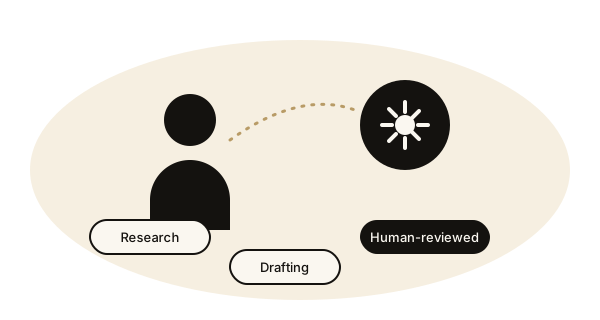
Virtual assistant bookkeeping services cover daily transaction categorisation, bank reconciliation, invoicing, bill payments and monthly reports in QuickBooks or Xero. They cost less than a flat-fee firm, and your accountant still handles taxes.
Virtual assistant bookkeeping services are a rising search category. Small business owners want a cheaper, more flexible alternative to a part-time in-house bookkeeper. A bookkeeping VA handles the recurring financial admin: transaction categorisation, invoicing, reconciliation. A CPA or accountant is only needed for tax strategy and filing, not day-to-day upkeep.
What virtual assistant bookkeeping services actually include
- Daily transaction categorisation in QuickBooks, Xero or Wave. A QuickBooks virtual assistant is a common setup.
- Bank and credit card reconciliation.
- Invoice creation, sending and follow-up on unpaid invoices.
- Accounts payable: scheduling and tracking vendor payments.
- Monthly P&L and cash flow snapshots for owner review.
- Receipt organisation and expense tracking ahead of tax season.
QuickBooks virtual assistant vs. Xero virtual assistant
Most bookkeeping VAs focus on one platform. A QuickBooks virtual assistant is the most common request in the US. Xero comes up more in the UK and Australia. Just tell your VA which one you use at onboarding. The checklist stays the same either way.
Illustrative ranges for a small business doing under ~200 transactions/month. A VA bills only the hours actually worked, unlike a flat-fee firm.
Remote bookkeeper vs. virtual bookkeeping VA: what's the difference?
A remote bookkeeper is often an independent contractor. They bill a flat monthly retainer, no matter how much work there is. A bookkeeping virtual assistant bills hourly instead. It can flex up during tax prep or year-end close, and flex down in quiet months. You're not locked into a fixed fee for work that changes month to month.
Virtual bookkeeper vs. accountant: you likely need both, doing different jobs
A bookkeeping VA keeps your books current every week. An accountant or CPA uses those clean books to file taxes and give advice. Having an accountant do both is expensive. The books often only get touched once a quarter. A VA closes that gap for far less.
What outsourced bookkeeping services typically cost in 2026
Flat-fee bookkeeping firms bill a fixed monthly fee, no matter how many hours the work actually takes. On a MyRemoteVA hourly plan, a 12-hour monthly block is $120 and a 36-hour block is $324. For a small business with modest volume, that can cover reconciliation, invoicing and categorisation. Unused hours roll over instead of being lost.
Ready to get your books current? Try it for $1 and see what a bookkeeping VA clears from your backlog in week one.
Frequently asked questions
Can a virtual assistant do bookkeeping?
Yes. A bookkeeping VA can categorise transactions, reconcile accounts, send invoices and prepare monthly reports. A CPA should still file your taxes.
Is a bookkeeping VA cheaper than an outsourced bookkeeping firm?
It can be. Firms usually bill a flat monthly fee. A MyRemoteVA 12-hour block is $120 and a 36-hour block is $324, and you pay only for hours used.
Which software do bookkeeping VAs use?
Most work in QuickBooks, Xero or Wave, plus Excel or Google Sheets.
What is doing this yourself costing you?
Doing it yourself: $2,165 a month of your time.
The same hours at our $12/hr pay-as-you-go rate: $520. Dedicated plans start at $5.62/hr.
Simple maths from the numbers you enter. It assumes a VA can take on those hours.
Start for $1Written by the MyRemoteVA team. Search-trend figures come from Google Trends. Prices shown are our current plans. Last updated September 25, 2026. Questions or corrections? Contact us.
Bookkeeping & Data Entry
A bookkeeping virtual assistant for invoicing, reconciliation, expense tracking and clean spreadsheets — so your books are never the thing you're scrambling to fix at tax time.
Explore this service