Mastering Email Management in the USA (Last Month’s Trends)
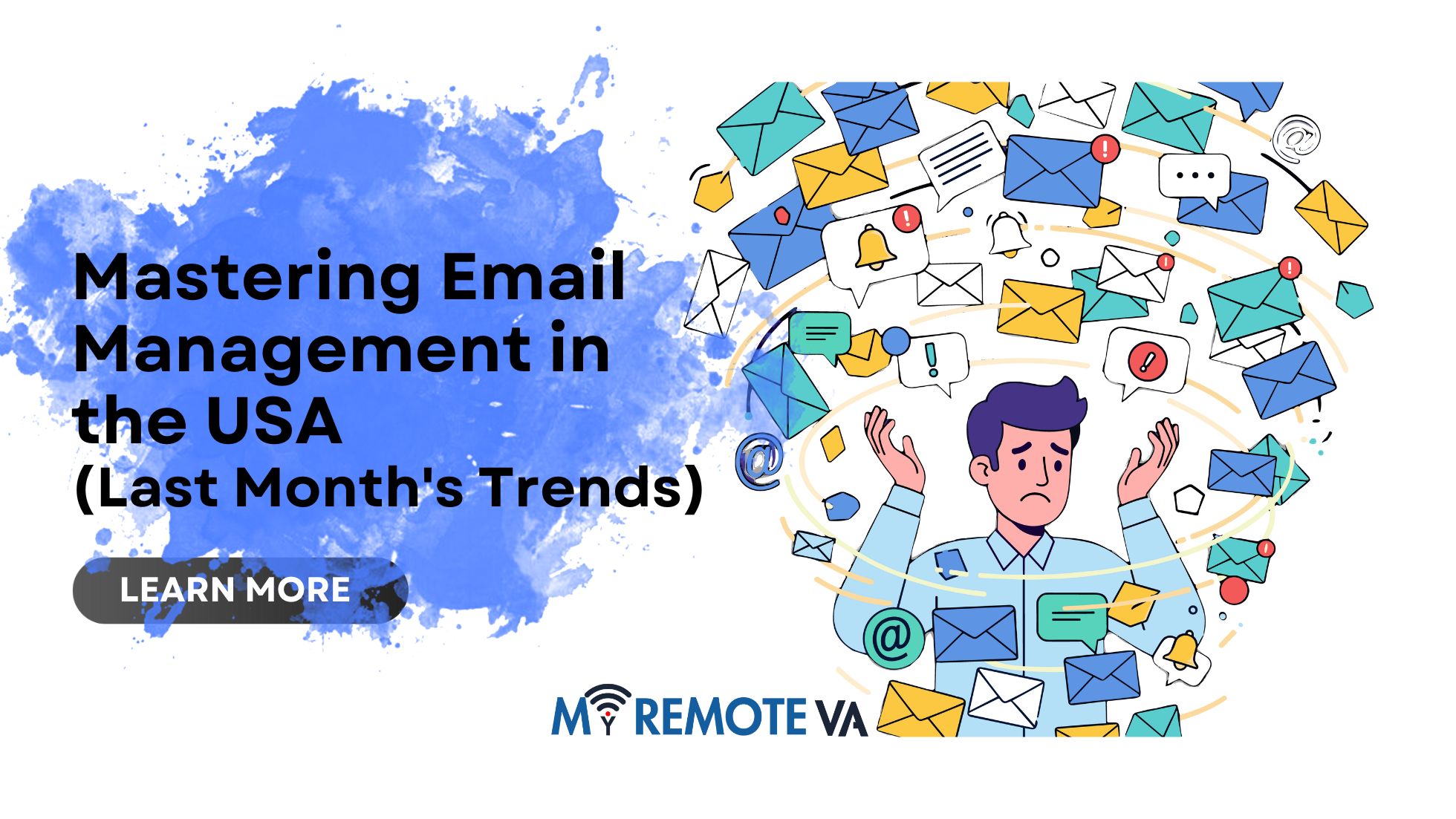
Email. It’s the backbone of modern communication, yet for many, it’s a source of constant overwhelm. In the US, professionals and businesses are increasingly seeking effective solutions to tame their inboxes. This past month, we’ve observed some key trends driving the adoption of email management programs and strategies.
- Mastering Email Management in the USA (Last Month's Trends)
- The Increasing Demand for Efficient Email Management in the US Market
- Brief Overview of Available Email Management Programs and Their Benefits
- Choosing the Right Email Management Program for Your Needs
- Assessing Your Specific Email Management Challenges (USA Focus)
- Key Features to Look For: Automation, Integration, and Security (USA Standards)
- FAQ: Common Questions About Email Management Programs in the USA
- What are the Key Differences Between Free and Paid Email Management Programs?
- How do Email Management Programs Help with GDPR and CCPA Compliance in the USA?
- Which Email Management Programs Integrate Best with Popular CRM Systems in the USA?
- Can Email Management Programs Improve Email Deliverability Rates in the USA?
- What is the Typical ROI (Return on Investment) When Using an Email Management Program?
- Conclusion: Optimizing Your Email Workflow for Success in the US Market
- Recap of Key Considerations for Selecting an Email Management Program
- The Future of Email Management: Trends to Watch in the USA
Data indicates a significant rise in the interest of automation features within email management programs. Users are looking beyond simple organization and seeking tools that can intelligently prioritize emails, filter spam, and even suggest responses. This reflects a broader need for increased efficiency and reduced cognitive load.
The Evolving Needs of Email Users
Beyond automation, the specific needs of email users vary greatly. Startups often require email management to streamline customer support interactions. Agencies rely on it for efficient project communication. Busy executives need solutions that minimize distractions and ensure critical information isn’t missed. These diverse requirements are driving demand for customizable and adaptable email management programs.
The Rise of Delegated Email Management
Another key trend is the increasing delegation of email management to virtual assistants. Many professionals are recognizing that their time is better spent on strategic tasks. By entrusting email management to skilled VAs, they can reclaim valuable hours and reduce stress. Expert virtual assistants can handle tasks such as filtering and organizing emails, scheduling meetings, drafting responses, and managing inboxes according to specific priorities.
The effectiveness of this delegation hinges on finding the right virtual assistant solution. It’s about more than just task completion; it’s about finding a service that understands your workflow, anticipates your needs, and integrates seamlessly with your existing systems. Effective delegation allows professionals to regain control of their time and focus on higher-value activities.
The Increasing Demand for Efficient Email Management in the US Market
In today’s fast-paced business environment, particularly within the US market, the need for efficient email management programs has skyrocketed. Professionals, startups, and even established agencies are increasingly finding themselves overwhelmed by the sheer volume of emails they receive daily. This constant barrage can lead to decreased productivity, missed opportunities, and a general feeling of being constantly “on”.
Data suggests that the average professional spends a significant portion of their workday simply sorting through their inbox . This time could be better allocated to strategic tasks, client engagement, or innovation. The cost of inefficient email management is therefore substantial, both in terms of lost productivity and potential revenue.
Why the Surge in Demand?
Several factors contribute to this growing demand:
- Increased Digital Communication: Email remains a primary communication channel for businesses, leading to a constant influx of messages.
- Remote Work Adoption: The rise of remote work has further emphasized the importance of digital communication, making email a crucial tool for collaboration and coordination.
- Information Overload: Professionals are bombarded with information from various sources, making it challenging to prioritize and manage email effectively.
The Role of Email Management Programs
Email management programs offer a solution to these challenges by providing tools and features that streamline the email workflow. These programs often include features such as:
- Filtering and Sorting: Automatically categorize and prioritize emails based on sender, subject, or content.
- Automation: Automate repetitive tasks such as sending follow-up emails or scheduling meetings.
- Unified Inbox: Manage multiple email accounts from a single interface.
For busy professionals and companies grappling with email overload, exploring and implementing effective email management programs isn’t just a convenience – it’s a necessity for maintaining productivity and staying competitive.
Brief Overview of Available Email Management Programs and Their Benefits
Efficient email management is crucial for productivity, especially for startups, founders, agencies, and busy professionals. With a plethora of email management programs available, selecting the right one can significantly impact workflow and organization. These programs offer a range of features designed to streamline email communication and reduce overwhelm.
Popular Email Management Program Features
Most email management programs offer a suite of features aimed at improving email handling. These commonly include:
- Unified Inbox: Centralizes multiple email accounts into a single view, simplifying monitoring and response.
- Email Snoozing: Allows you to temporarily remove emails from your inbox and have them reappear later, helping you focus on immediate tasks.
- Scheduling: Enables you to compose emails and schedule them to be sent at a later, more opportune time.
- Templates: Provides pre-designed email templates for frequently sent messages, saving time and ensuring consistency.
- Automated Filtering and Labels: Automatically sorts incoming emails into folders based on predefined criteria, improving organization.
- Collaboration Tools: Enables team members to share inboxes, assign emails, and collaborate on responses.
- Integration with Other Apps: Connects seamlessly with other productivity tools like calendars, CRM systems, and task management platforms.
Benefits of Using Email Management Programs
Implementing a dedicated email management program can yield several benefits:
- Improved Productivity: Streamlined processes and automated features save time and reduce manual effort.
- Enhanced Organization: Organized inboxes and automated sorting lead to better clarity and reduced stress.
- Better Communication: Timely responses and efficient follow-ups improve communication with clients, colleagues, and stakeholders.
- Reduced Stress: Less time spent managing emails translates to a more relaxed and focused work environment.
- Increased Efficiency: Optimized workflows and automated tasks contribute to overall business efficiency.
Many businesses, particularly smaller ones, find managing the day-to-day tasks of email communication overwhelming. This is where leveraging external support, such as virtual assistants, can prove beneficial. By delegating email management to trained professionals, businesses can free up valuable time and resources to focus on core activities. Virtual assistants can handle tasks such as inbox organization, responding to routine inquiries, scheduling appointments, and filtering spam, ultimately leading to a more efficient and productive workflow.
Choosing the Right Email Management Program for Your Needs
Selecting the appropriate email management program is crucial for productivity and efficiency, especially for busy professionals and growing businesses. With numerous options available, understanding your specific requirements is the first step. This section explores key considerations to help you make an informed decision.
Understanding Your Email Volume and Complexity
The volume of emails you handle daily directly impacts the features you’ll need. Are you primarily dealing with internal communications, customer inquiries, or a mix of both? High-volume users will benefit from features like advanced filtering, automated rules, and robust search capabilities. Businesses handling complex email workflows, such as customer support ticketing or project management, will need tools that integrate seamlessly with their other systems.
Consider whether you need features like:
- Email tracking: To monitor if and when your emails are opened.
- Automated follow-ups: To ensure important emails don’t get lost in the shuffle.
- Shared inboxes: To allow multiple team members to manage a single email address (e.g., support@yourcompany.com).
- Collaboration features: To facilitate internal discussions and approvals related to email content.
Evaluating Features and Integrations
Email management programs offer a wide array of features, but not all are created equal. Prioritize features that directly address your pain points and align with your workflow. Look beyond the basic inbox and consider the following:
- Calendar integration: Seamlessly schedule meetings and appointments directly from your email.
- Contact management: Organize and manage your contacts effectively within the program.
- Task management: Create tasks from emails and track their progress.
- Reporting and analytics: Gain insights into your email performance, such as open rates, click-through rates, and response times.
Furthermore, assess the program’s ability to integrate with other tools you already use, such as CRM systems, project management software, and marketing automation platforms. Integration can streamline your workflows and prevent data silos.
Considering Security and Compliance
Email security is paramount, especially when dealing with sensitive information. Ensure the email management program offers robust security features, such as encryption, two-factor authentication, and anti-phishing protection. For businesses operating in regulated industries, compliance with regulations like GDPR and HIPAA is essential. Verify that the program adheres to these standards and provides the necessary tools for compliance.
Assessing Cost and Scalability
Email management programs come in various pricing models, from free plans with limited features to enterprise-level solutions. Evaluate your budget and anticipated growth to choose a plan that offers the right balance of features and affordability. Consider the program’s scalability to ensure it can accommodate your needs as your business expands.
Some programs offer flexible pricing based on the number of users, storage space, or features used. Others offer fixed monthly or annual fees. Carefully compare the pricing structures and features of different programs to determine the most cost-effective option for your specific requirements. Consider whether you need assistance with implementation, training, or ongoing support, as these services can add to the overall cost.
Assessing Your Specific Email Management Challenges (USA Focus)
Effective email management is crucial for productivity and communication in today’s fast-paced business environment, particularly in the USA. However, many professionals and businesses struggle to maintain control over their inboxes, leading to missed opportunities, decreased efficiency, and increased stress. Understanding your specific email management challenges is the first step towards finding the right solution.
Here are some common email-related pain points experienced by US-based businesses:
- Overwhelming Inbox Volume: The sheer number of emails received daily can be daunting, making it difficult to prioritize and respond to important messages promptly. This is exacerbated by subscriptions, newsletters, and promotional emails that contribute to the clutter.
- Time-Consuming Tasks: Sorting, filtering, archiving, and deleting emails can eat up valuable time that could be spent on more strategic initiatives. Manually processing emails prevents employees from focusing on their core responsibilities.
- Missed Deadlines and Opportunities: Important emails can get lost in the shuffle, leading to missed deadlines, forgotten appointments, and lost business opportunities. This can negatively impact revenue and reputation.
- Inefficient Communication: Poorly organized inboxes can hinder effective communication with clients, colleagues, and stakeholders. Difficulty finding relevant information within email threads can lead to delays and misunderstandings.
- Security Risks: Phishing attempts and malware are often delivered via email, posing a significant security risk to businesses. Identifying and avoiding these threats requires vigilance and training.
Identifying Your Key Email Management Needs
To choose the best email management programs or strategies, consider the following questions:
- What types of emails do you receive most often (e.g., customer inquiries, sales leads, project updates)? Understanding the nature of your email traffic will help you prioritize effectively.
- How much time do you currently spend managing your email each day? This will help you quantify the impact of poor email management.
- What are your biggest pain points related to email (e.g., inbox overwhelm, missed deadlines, difficulty finding information)? Pinpointing your specific challenges will guide your search for solutions.
- What features are most important to you in an email management program (e.g., filtering, sorting, task management, collaboration)? Determine which capabilities are essential for addressing your needs.
- Do you need help with initial setup, ongoing maintenance, or both? Some solutions require more technical expertise than others.
By answering these questions honestly, you can gain a clear understanding of your email management challenges and identify the right solutions to overcome them. This might include implementing new email management programs, refining your existing processes, or delegating tasks to a virtual assistant. For example, a virtual assistant can handle tasks like filtering emails, scheduling responses, organizing your inbox, and archiving old messages, freeing up your time to focus on more strategic initiatives. This type of support can be tailored to specific needs through curated hourly monthly plans or dedicated team plans, providing a flexible and cost-effective solution.
Key Features to Look For: Automation, Integration, and Security (USA Standards)
Choosing the right email management program can significantly boost productivity and streamline communication. But with so many options available, focusing on key features is crucial. When evaluating email management solutions, prioritize automation, integration capabilities, and robust security, all while adhering to stringent USA standards.
Automation for Efficiency
Email automation is a game-changer. Look for features that automate repetitive tasks, freeing up your time for more strategic work. Key automation features include:
- Automated Email Responses: Set up automatic replies for common inquiries, ensuring prompt communication and setting expectations.
- Email Filtering and Routing: Automatically sort incoming emails based on pre-defined rules, directing them to the appropriate folders or team members.
- Drip Campaigns: Nurture leads and engage with customers through automated email sequences, personalized based on their behavior and preferences.
- Scheduling: Schedule emails to be sent at optimal times, maximizing open rates and engagement.
For busy professionals and startups, automation translates to significant time savings and improved efficiency.
Integration for Seamless Workflow
An email management program shouldn’t operate in isolation. Its ability to integrate with other essential tools is paramount. Consider integrations with:
- CRM Systems: Seamlessly connect your email management program with your CRM (Customer Relationship Management) system to track customer interactions, manage leads, and personalize communications.
- Calendar Apps: Integrate with calendar applications to easily schedule meetings and appointments directly from your email interface.
- Project Management Tools: Connect with project management tools to share email conversations, assign tasks, and track progress.
- Collaboration Platforms: Integrate with platforms like Slack or Microsoft Teams to facilitate internal communication and collaboration around email threads.
Robust integration allows you to create a cohesive workflow, eliminating the need to switch between multiple applications and streamlining your overall operations.
Security: Protecting Sensitive Information (USA Standards)
Data security is non-negotiable, especially when dealing with sensitive customer information or confidential business communications. When evaluating email management programs, prioritize solutions that meet or exceed USA security standards. Look for features such as:
- Encryption: Ensure that emails are encrypted both in transit and at rest, protecting them from unauthorized access.
- Two-Factor Authentication (2FA): Implement 2FA to add an extra layer of security to user accounts.
- Data Loss Prevention (DLP): Choose a program with DLP features to prevent sensitive data from leaving the organization.
- Compliance Certifications: Look for certifications such as HIPAA, GDPR, or SOC 2, which demonstrate a commitment to data protection and security best practices.
Adherence to USA security standards, including robust data encryption and compliance certifications, is vital for protecting your organization’s and your customers’ sensitive information.
FAQ: Common Questions About Email Management Programs in the USA
Navigating the world of email management programs can be confusing. Here are some frequently asked questions to help you understand what these programs are, how they work, and how they can benefit you.
What exactly are email management programs?
Email management programs are software applications designed to help individuals and businesses organize, prioritize, and efficiently handle their email communication. They offer features beyond basic email clients, such as automation, advanced filtering, collaboration tools, and detailed analytics.
Why should I use an email management program?
Effective email management is crucial for productivity and professional communication. These programs can save you time by automating repetitive tasks, ensuring important messages don’t get lost, and providing insights into your communication patterns. This ultimately leads to better organization, improved customer service, and increased efficiency.
What are some key features to look for in an email management program?
When choosing an email management program, consider features like:
- Automation: Rules and filters to automatically sort, label, and respond to emails.
- Collaboration: Shared inboxes and assignment features for teams to manage emails together.
- Analytics: Reporting on email volume, response times, and other key metrics.
- Integration: Compatibility with other business tools like CRM systems and project management software.
- Security: Robust security measures to protect sensitive information.
Can a Virtual Assistant help me manage my email using these programs?
Yes, absolutely! One of the most effective ways to leverage email management programs is to delegate the actual management of your inbox to a skilled Virtual Assistant (VA). A VA can be trained to use specific email management software and then implement strategies for prioritizing emails, filtering out spam, drafting responses, and even managing email-based projects. This frees up your time to focus on higher-level tasks.
How can a Virtual Assistant improve my email management strategy?
A VA can bring significant expertise to your email management. They can implement efficient workflows, ensure consistent and professional communication, and proactively identify and address email-related issues. For instance, they can set up advanced filters, create automated responses for common inquiries, and track key performance indicators related to email communication.
What tasks related to email management can I typically delegate to a Virtual Assistant?
You can delegate a wide range of tasks, including:
- Inbox Organization: Sorting, labeling, and archiving emails.
- Drafting and Sending Emails: Responding to inquiries, writing newsletters, and sending out marketing materials.
- Scheduling and Reminders: Setting up calendar appointments and reminders based on email content.
- Data Entry: Extracting information from emails and entering it into databases or spreadsheets.
- Customer Support: Responding to customer inquiries and resolving issues via email.
What are the Key Differences Between Free and Paid Email Management Programs?
Choosing the right email management program is crucial for efficient communication and organization, whether you’re a solopreneur, a growing startup, or a large enterprise. While free options may seem appealing initially, understanding the differences between free and paid programs can save you time, frustration, and potentially even money in the long run. The core differences often revolve around features, scalability, support, and security.
Features and Functionality
Free email management programs generally offer basic functionalities such as sending and receiving emails, basic filtering, and limited storage. They might lack advanced features that enhance productivity and streamline workflows. In contrast, paid programs typically provide a comprehensive suite of tools, including:
- Advanced Filtering and Automation: Create sophisticated rules for sorting, tagging, and automatically responding to emails, saving significant time.
- Contact Management: Organize contacts into lists, track interactions, and segment audiences for targeted communication.
- Collaboration Features: Share inboxes, assign tasks to team members, and collaborate on email responses, essential for team-based environments.
- Integration Capabilities: Connect with other business tools like CRM systems, project management software, and calendars to centralize workflows.
- Reporting and Analytics: Gain insights into email performance with detailed reports on open rates, click-through rates, and engagement, enabling data-driven decisions.
Scalability and Storage
Free email management programs often impose limitations on storage space and the number of emails you can send per day. As your business grows, these limitations can become a significant bottleneck. Paid programs, on the other hand, offer scalable storage options and higher sending limits, accommodating the increasing demands of a growing business. This scalability ensures your email infrastructure can adapt to your evolving needs without disruption.
Support and Reliability
Free email management programs typically offer limited or no dedicated customer support. You may rely on community forums or self-help resources for troubleshooting issues. Paid programs, however, usually provide dedicated customer support through email, phone, or chat. This support ensures timely assistance when you encounter problems, minimizing downtime and maximizing productivity. Furthermore, paid programs often have Service Level Agreements (SLAs) guaranteeing uptime and reliability, which are critical for business-critical communications.
Security and Privacy
While free email management programs often implement basic security measures, they may not offer the same level of security as paid programs. Paid programs typically provide enhanced security features such as:
- Advanced Encryption: Protect sensitive data during transmission and storage with robust encryption protocols.
- Two-Factor Authentication: Add an extra layer of security to prevent unauthorized access.
- Data Loss Prevention (DLP): Prevent sensitive information from leaving your organization.
- Compliance Features: Meet regulatory requirements such as HIPAA or GDPR with built-in compliance tools.
Investing in a paid email management program can provide peace of mind knowing your data is secure and compliant with industry standards. The choice between free and paid email management programs depends on your specific needs and budget. While free options may suffice for basic personal use, paid programs offer the features, scalability, support, and security required for effective and secure email management in a business context. Considering these factors will help you make an informed decision that aligns with your long-term goals.
How do Email Management Programs Help with GDPR and CCPA Compliance in the USA?
Email management programs play a crucial role in assisting businesses in meeting the stringent requirements of data privacy regulations like GDPR (General Data Protection Regulation) and CCPA (California Consumer Privacy Act) in the USA. These programs offer features designed to help organizations manage user data responsibly and transparently, reducing the risk of non-compliance and associated penalties.
Key Features for GDPR and CCPA Compliance
Here’s how email management programs support compliance:
- Consent Management: Many programs provide tools to obtain and manage user consent for data collection and processing. This includes features for opt-in forms, preference centers, and tracking consent status to ensure data is only used with explicit permission .
- Data Subject Access Requests (DSARs): Under GDPR and CCPA, individuals have the right to access, correct, delete, or port their personal data. Email management programs can help automate the process of fulfilling DSARs by providing functionalities to easily locate, retrieve, and modify user information stored within the system.
- Data Minimization and Purpose Limitation: Compliance mandates that organizations only collect and process data that is necessary for a specified purpose. Email management tools can assist in enforcing these principles by allowing businesses to define data retention policies and automatically delete data that is no longer needed.
- Data Security: Protecting user data from unauthorized access, disclosure, or loss is paramount. Email management platforms often include security features such as encryption, access controls, and audit logs to safeguard data and demonstrate accountability .
- Transparency and Accountability: Compliance requires organizations to be transparent about their data processing activities. Email management programs can help by providing features to create clear and concise privacy notices, document data processing procedures, and track data flows.
- Unsubscribe Management: Providing easy and accessible unsubscribe options is a critical component of both GDPR and CCPA. Email management programs automate the unsubscribe process, ensuring that users are promptly removed from mailing lists and their preferences are respected.
By leveraging these features, businesses can streamline their compliance efforts, reduce the risk of data breaches, and build trust with their customers. It is important to remember that implementing an email management program is just one piece of the overall compliance puzzle. Organizations also need to establish appropriate policies, procedures, and training programs to ensure that all employees understand and adhere to data privacy regulations.
For instance, businesses may choose to delegate certain compliance-related tasks to virtual assistants experienced in using these email management platforms. Expert virtual assistant support is accessible to startups, founders, agencies, and busy professionals through flexible hourly and team-based plans. Delegate marketing tasks through dedicated supervisor managed VA.
Which Email Management Programs Integrate Best with Popular CRM Systems in the USA?
Choosing the right email management program is crucial, especially when integrating it with your Customer Relationship Management (CRM) system. A seamless integration allows for efficient data flow, personalized communication, and improved customer relationship management.
Why Integration Matters
Integrating your email management program with your CRM provides a centralized view of customer interactions. This allows businesses to track email opens, clicks, and responses directly within the CRM. This data provides valuable insights into customer behavior and preferences, enabling more targeted and effective email marketing campaigns.
Without integration, teams often have to manually transfer data between platforms, which is time-consuming and prone to errors. Integration automates this process, saving time and ensuring data accuracy.
Top Integrations in the USA
Here are some of the most popular email management programs and their CRM integrations in the USA:
- Mailchimp: Known for its user-friendly interface and robust features, Mailchimp integrates well with a wide array of CRMs, including Salesforce, HubSpot, and Zoho CRM. These integrations facilitate list synchronization, campaign performance tracking within the CRM, and personalized messaging based on CRM data.
- ActiveCampaign: ActiveCampaign is a powerful platform that excels at automation and segmentation. It boasts strong integrations with CRMs like Salesforce, Pipedrive, and Keap (formerly Infusionsoft). These integrations enable sophisticated marketing automation workflows triggered by CRM events, ensuring highly targeted and personalized customer experiences.
- HubSpot Email Marketing: Naturally, HubSpot Email Marketing integrates seamlessly with HubSpot CRM. This native integration offers a unified platform for sales and marketing, enabling comprehensive customer tracking, lead nurturing, and personalized email campaigns based on CRM data.
- Sendinblue: A versatile platform offering email marketing, SMS, and chat features, Sendinblue integrates effectively with various CRMs, including Salesforce, Zoho CRM, and Microsoft Dynamics 365. These integrations allow for contact synchronization, campaign tracking, and trigger-based email automation.
- GetResponse: GetResponse provides a range of marketing automation tools, including email marketing, landing pages, and webinars. It integrates well with popular CRMs like Salesforce, HubSpot, and Zoho CRM. These integrations enable list management, campaign tracking, and personalized communication based on CRM data.
Choosing the Right Integration
When selecting an email management program and its CRM integration, consider the following factors:
- Ease of Use: The integration should be straightforward to set up and use.
- Data Synchronization: Ensure that contact data is synchronized accurately and automatically between the email management program and the CRM.
- Automation Capabilities: Look for integrations that allow you to trigger automated email campaigns based on CRM events and data.
- Reporting and Analytics: The integration should provide comprehensive reporting on email campaign performance within the CRM.
- Pricing: Consider the costs associated with both the email management program and the CRM integration.
By carefully evaluating your needs and the available integrations, you can choose an email management program that seamlessly integrates with your CRM and streamlines your marketing and sales efforts.
Can Email Management Programs Improve Email Deliverability Rates in the USA?
Yes, email management programs can significantly improve email deliverability rates in the USA. Email deliverability refers to your emails actually reaching the intended recipients’ inboxes, rather than landing in spam folders or being blocked altogether. Several factors influence deliverability, and email management programs address many of them directly.
How Email Management Programs Enhance Deliverability
Here’s how effective email management programs contribute to better deliverability:
- Sender Authentication: These programs help configure and manage vital authentication protocols like SPF (Sender Policy Framework), DKIM (DomainKeys Identified Mail), and DMARC (Domain-based Message Authentication, Reporting & Conformance). Properly implementing these protocols verifies that emails are genuinely sent from your domain, reducing the chances of being flagged as spam.
- List Hygiene and Segmentation: Email management programs facilitate list cleaning by identifying and removing inactive or invalid email addresses. They also support segmentation, allowing you to send targeted emails to specific groups of subscribers. Sending relevant content to engaged users improves engagement metrics and sender reputation.
- Engagement Tracking and Analysis: By monitoring open rates, click-through rates (CTR), bounce rates, and unsubscribe rates, these programs provide valuable insights into how recipients are interacting with your emails. This data enables you to optimize your email campaigns and identify potential issues that could negatively impact deliverability.
- Spam Trigger Prevention: Many programs have built-in spam checkers that analyze your email content and subject lines to identify potential spam triggers. This allows you to make adjustments before sending, minimizing the risk of being flagged as spam.
- Bounce Handling: Efficient email management programs automatically handle bounced emails (both hard and soft bounces). Hard bounces (permanent delivery failures) are removed from your list, while soft bounces (temporary delivery failures) are retried or eventually removed, preventing your sender reputation from being damaged.
- Feedback Loop Integration: Integration with feedback loops (FBLs) allows you to receive reports from internet service providers (ISPs) when recipients mark your emails as spam. This provides valuable feedback on potential issues and allows you to take corrective action.
Improved deliverability translates to more of your marketing messages, important updates, and customer communications reaching their intended audience, ultimately leading to better engagement, higher conversion rates, and improved overall business outcomes.
For busy professionals, startups, founders, and agencies, managing email deliverability can be time-consuming and complex. Delegating email management tasks to a virtual assistant through flexible hourly or team-based plans can free up valuable time and ensure that email campaigns are optimized for maximum deliverability. A dedicated supervisor can manage the VA, oversee processes, and provide reporting to ensure effective email management.
What is the Typical ROI (Return on Investment) When Using an Email Management Program?
Calculating the exact ROI of an email management program can be tricky, as it depends heavily on your specific business needs, email volume, industry, and how effectively you utilize the software. However, the potential benefits and cost savings are significant, often leading to a substantial return on investment.
Here’s a breakdown of factors that contribute to the ROI of email management programs:
Improved Efficiency and Time Savings
One of the most significant ROI drivers is the time saved by automating email tasks. Consider the time your team currently spends on:
- Filtering and sorting emails
- Composing repetitive responses
- Scheduling follow-ups
- Managing inboxes
Email management programs streamline these processes, freeing up valuable time for more strategic initiatives. Automated workflows, canned responses, and smart filters reduce the burden on your team, allowing them to focus on tasks that directly impact revenue generation.
Enhanced Customer Service and Satisfaction
Prompt and efficient email communication is crucial for customer satisfaction. Email management tools enable you to:
- Respond to inquiries faster with pre-written templates
- Ensure no email goes unanswered
- Track customer interactions for personalized support
- Route emails to the appropriate team member automatically
Improved customer service leads to increased customer loyalty, positive reviews, and ultimately, higher sales. A study found that companies with strong omnichannel customer engagement see a 9.5% year-over-year increase in annual revenue, compared to 3.4% for companies with weak engagement .
Reduced Errors and Improved Compliance
Manual email management is prone to human error, which can lead to missed deadlines, miscommunications, and even compliance violations. Email management programs help reduce these risks by:
- Centralizing email communication
- Providing audit trails of all interactions
- Ensuring adherence to email marketing regulations (e.g., GDPR, CAN-SPAM)
Avoiding costly mistakes and compliance issues is a direct financial benefit of using these tools. The cost of a data breach, for instance, can be devastating to a business’s reputation and bottom line.
Better Email Deliverability and Engagement
Many email management programs offer features that improve email deliverability and engagement, such as:
- Email authentication (SPF, DKIM, DMARC)
- List segmentation
- A/B testing
- Personalization
These features help ensure that your emails reach your intended recipients and that they are more likely to open, read, and click through. Increased engagement leads to higher conversion rates and improved ROI from your email marketing campaigns. Studies have shown that personalized emails can result in six times higher transaction rates .
In conclusion, while a precise ROI figure varies, implementing an email management program typically yields significant benefits in terms of efficiency, customer satisfaction, error reduction, and engagement, making it a worthwhile investment for most businesses.
Conclusion: Optimizing Your Email Workflow for Success in the US Market
Effective email management isn’t just about staying organized; it’s a critical component of success, especially in the competitive US market. By strategically leveraging email management programs and techniques, businesses can enhance communication, improve productivity, and build stronger relationships with clients and partners.
Implementing the right email management program is a significant first step. However, successful email management extends beyond the software itself. It requires establishing clear processes, training your team, and consistently monitoring results. For instance, ensuring prompt responses (within a defined timeframe relevant to the US market’s expectations) demonstrates professionalism and respect for the recipient’s time. Studies have shown that quick response times correlate with higher customer satisfaction . Similarly, crafting compelling subject lines and concise, value-driven content is essential for capturing attention in crowded inboxes.
Consider how optimizing your email workflow can positively impact key business metrics. Are you seeing increased engagement with your email campaigns? Are leads converting more effectively? Are customer support inquiries being resolved more efficiently? These are all indicators of a successful email management strategy.
Delegating Email Management Tasks
Many businesses, especially startups, founders, and busy professionals, find that managing their email effectively consumes valuable time and resources. This is where the option to delegate email management tasks becomes highly beneficial. Entrusting these responsibilities to skilled professionals allows you to focus on core business activities and strategic growth initiatives.
Consider the benefits of delegating tasks such as:
- Filtering and prioritizing incoming emails
- Responding to routine inquiries
- Scheduling meetings and appointments
- Managing email marketing campaigns
- Organizing and archiving important correspondence
By implementing these strategies and considering delegation options, you can significantly optimize your email workflow, improving efficiency, boosting productivity, and ultimately contributing to your success in the US market.
Recap of Key Considerations for Selecting an Email Management Program
Choosing the right email management program is crucial for maximizing efficiency and ensuring effective communication. Before committing to a particular solution, it’s essential to carefully evaluate your specific needs and priorities. Here’s a recap of key considerations:
Understanding Your Specific Needs
Start by thoroughly analyzing your email volume, team size, and specific workflows. Do you require advanced features like automation, CRM integration, or collaborative editing? Understanding these needs is the first step in narrowing down your options.
Scalability and Growth
Consider the long-term scalability of the program. Will it be able to accommodate your growing business and increasing email volume without significant performance issues or added costs? Choose a solution that can adapt to your evolving needs.
Integration Capabilities
Seamless integration with other business tools, such as your CRM, calendar, and project management software, is vital for streamlining workflows and avoiding data silos. Ensure the program offers robust integration options.
User-Friendliness and Training
The program should be intuitive and easy to use for all team members. A steep learning curve can lead to decreased productivity and frustration. Look for programs with comprehensive training resources and readily available support.
Security and Compliance
Email security is paramount, especially when dealing with sensitive information. Ensure the program offers robust security features, such as encryption and multi-factor authentication, and complies with relevant data privacy regulations.
Cost and Value
Carefully evaluate the pricing structure and ensure it aligns with your budget. Consider not only the initial cost but also ongoing maintenance fees, user licenses, and potential add-ons. The best program provides the most value for your investment.
Navigating these considerations can be time-consuming. Many businesses find value in delegating the research, implementation, and ongoing management of email systems. For startups, founders, agencies, and busy professionals, expert virtual assistant support can streamline this process, freeing up valuable time to focus on core business activities. This includes task support and dedicated support, managed shifts, processes, and reporting.
The Future of Email Management: Trends to Watch in the USA
Email management is evolving rapidly in the USA, driven by factors such as increasing email volumes, the rise of remote work, and advancements in artificial intelligence. Staying ahead of these trends is crucial for individuals and businesses looking to optimize their email workflows and maximize productivity. Let’s explore some key trends shaping the future of email management.
AI-Powered Email Management
Artificial intelligence (AI) is transforming how we interact with our inboxes. AI-powered email management programs can automatically prioritize emails, filter out spam, schedule sending, and even suggest responses. This not only saves time but also helps users focus on the most important messages . We are seeing increasingly sophisticated AI tools integrated into email platforms, offering features like smart filtering, automated follow-ups, and sentiment analysis.
Increased Focus on Automation
Automation is no longer a luxury but a necessity for effective email management. Tools that automate tasks like email sorting, archiving, and unsubscribing are gaining popularity. As email volumes continue to grow, the ability to automate repetitive tasks will become even more critical. Businesses are increasingly using email marketing automation platforms that tie into their CRM systems to personalize and streamline their customer communication .
Enhanced Collaboration and Team Inboxes
With the rise of remote work, collaborative email management solutions are becoming increasingly important. These solutions allow teams to share inboxes, assign emails to specific team members, and track the progress of email-related tasks. This leads to improved communication, faster response times, and better customer service . Features like shared drafts, internal notes, and integrated task management are becoming standard.
Integration with Productivity Suites
Email management programs are increasingly integrating with other productivity tools like project management software, calendars, and note-taking apps. This creates a more seamless workflow and reduces the need to switch between multiple applications. This integration ensures tasks that originate from email are easily managed and tracked within your preferred productivity system .
Prioritizing Security and Privacy
In an era of increasing cyber threats, security and privacy are paramount. Email management programs are incorporating advanced security features like encryption, two-factor authentication, and data loss prevention (DLP). Compliance with data privacy regulations like GDPR and CCPA is also a major focus. Users are demanding greater control over their data and increased transparency from email providers .
Staying informed about these trends and adopting the right email management strategies can significantly improve productivity and reduce stress. Many businesses are now leveraging virtual assistant services to help them manage their email effectively. Virtual assistants can handle tasks such as filtering emails, scheduling follow-ups, and responding to routine inquiries, freeing up valuable time for more strategic activities. You can delegate a broad range of administrative, technical, customer support, marketing, creative, or executive tasks to a dedicated virtual assistant. Some virtual assistant companies even offer a dedicated supervisor who manages the VA, shift, processes, and reporting for you.